
Articles / WebGL / Creative Development
Notes
-

Building VariState FORM: A Browser Jewelry Configurator
How I built a 3D ring configurator with metal and gemstone choices, fitted preview cuts, macro cameras, local AR try-on, and exportable configurations.
-
Lighting Five VariState Configurators: Materials, Interiors, and Changing Environments
Rendering decisions across my aircraft, SUV, room planner, lounge, and yacht: editable rooms versus baked light, finish preservation, weather, and browser budgets.
-
3D Configurator UX: Making Complex Product Choices Feel Simple
Practical interface decisions from my VariState configurators: clear option groups, useful cameras, reversible edits, input handling, loading, and honest feedback.
-

Building VariState Marine: A Yacht Configurator That Actually Goes Somewhere
Inside my Three.js yacht configurator: finish choices, FFT ocean rendering, dry cabins, guided cameras, driving, and the practical limits of browser realism.
-
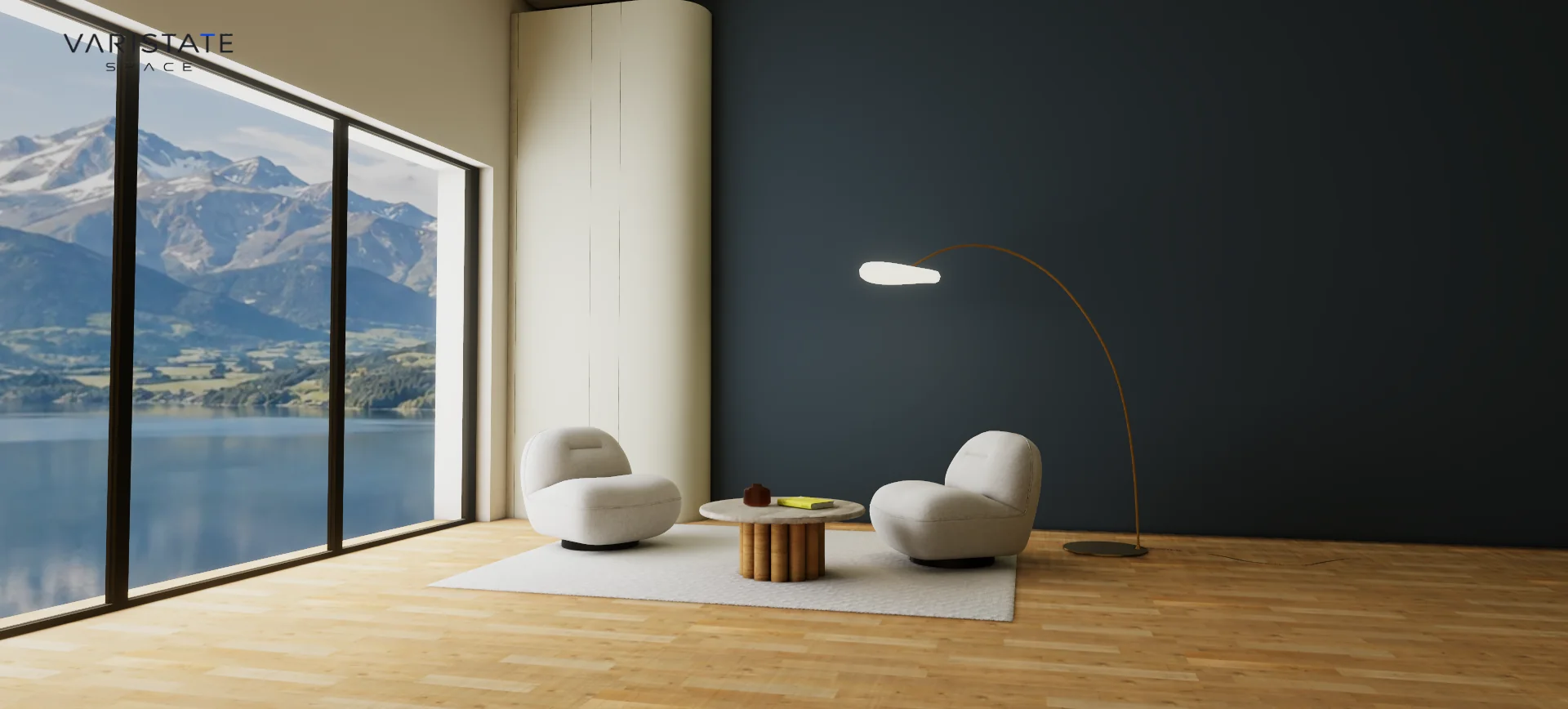
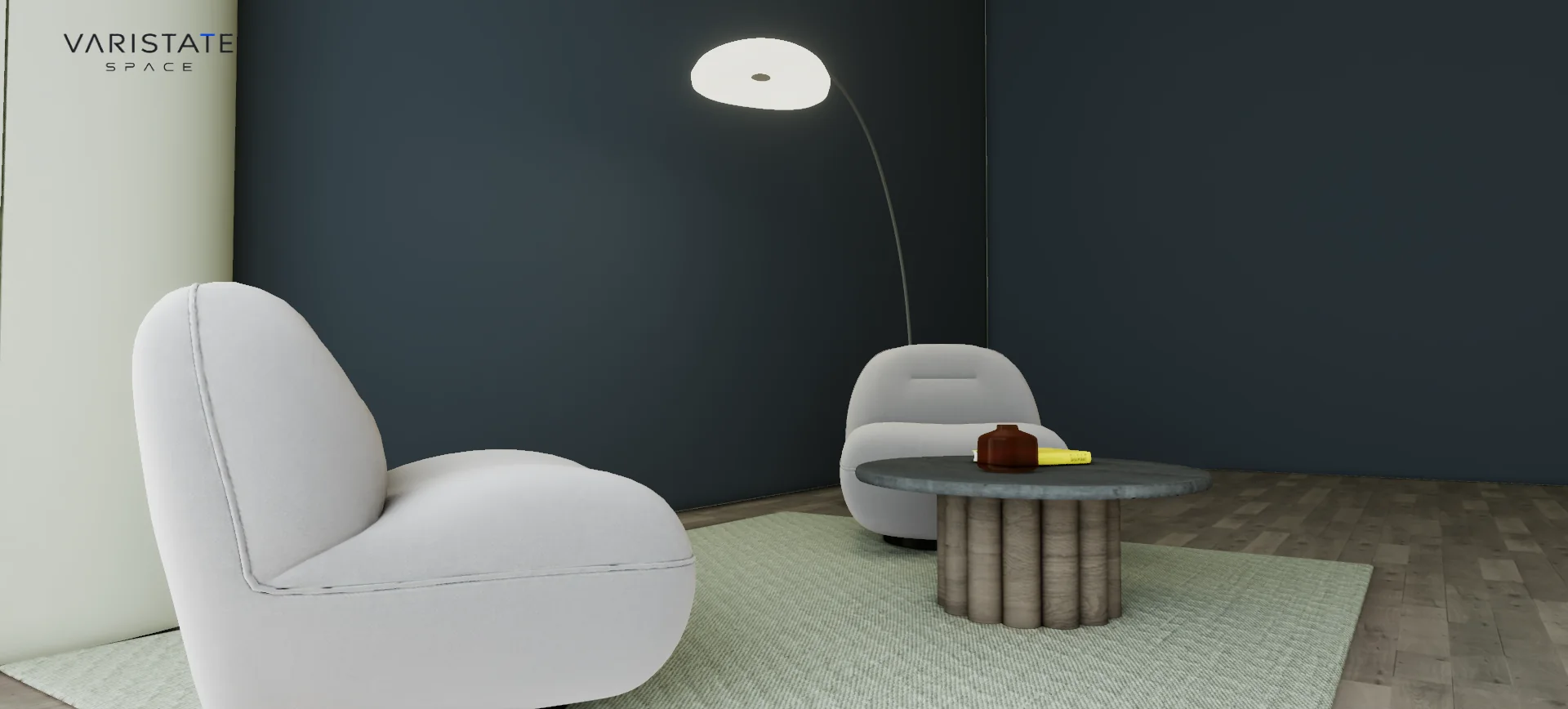
VariState SPACE Lounge: Interior Finishes, Baked Light, and a Room You Can Explore
How I built the VariState SPACE lounge experience around material choices, coordinated day and night lighting, constrained walking, local reflections, and a carefully defined scope.
-
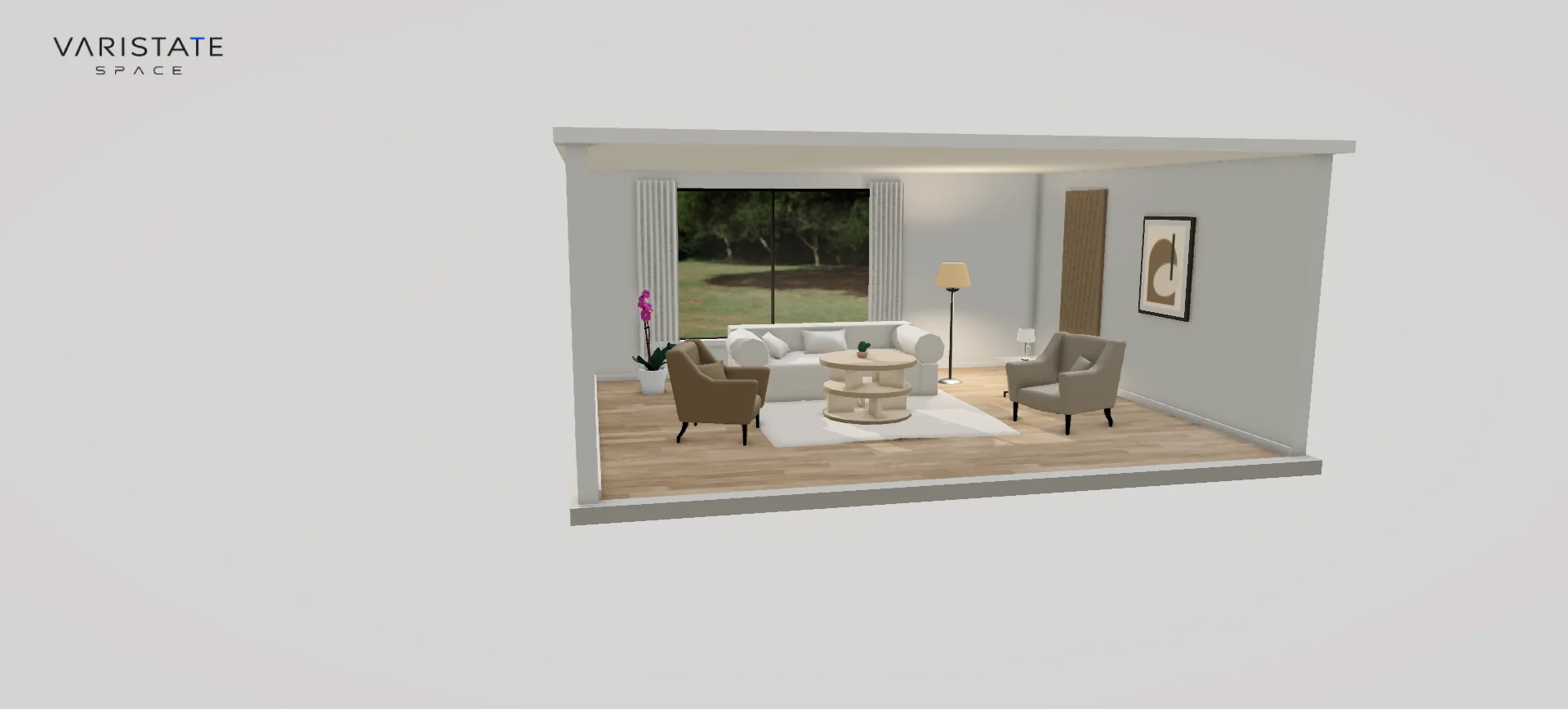
Building VariState SPACE: What Makes a Browser Room Planner Useful?
Inside my VariState SPACE room planner: direct room editing, windows, floors, furniture, camera modes, honest lighting, and the practical work behind a usable 3D interior tool.
-
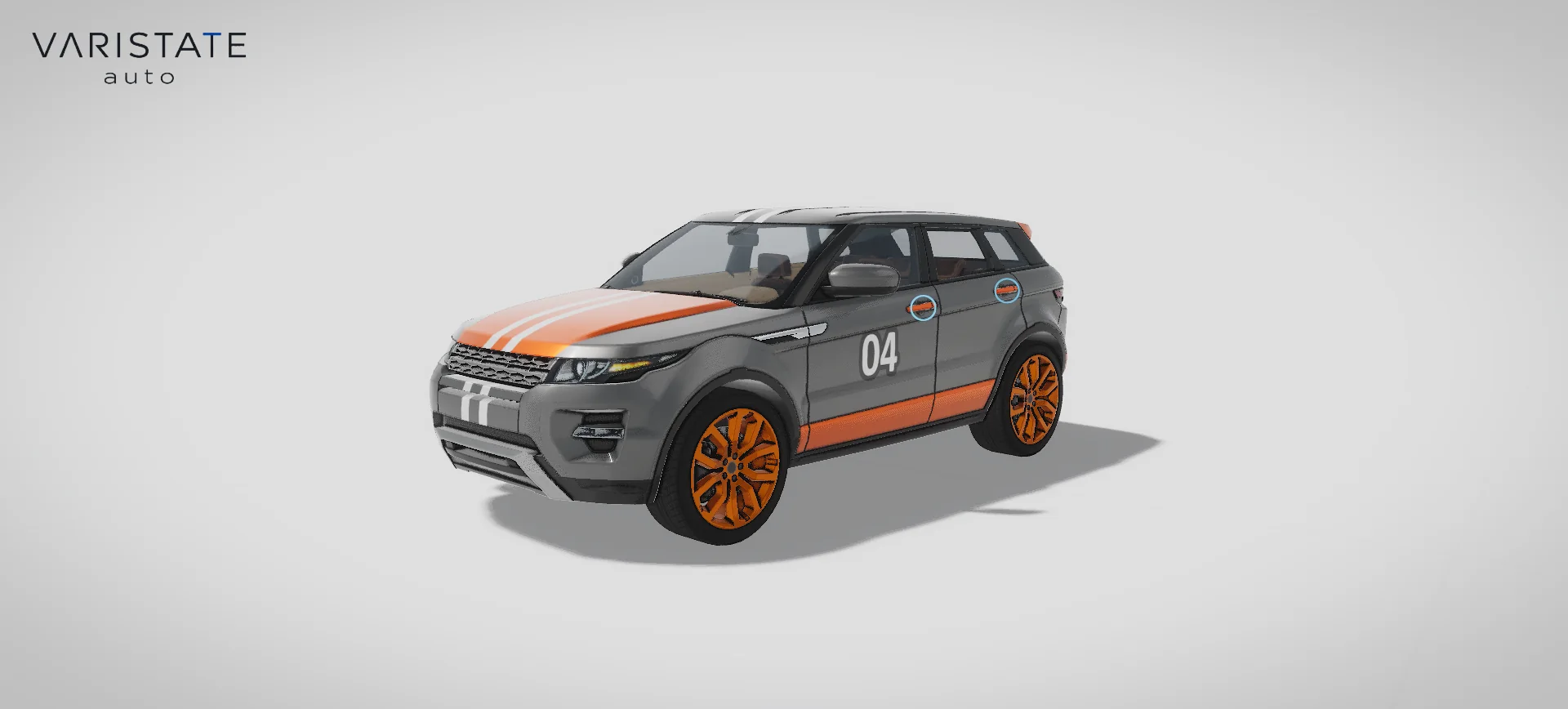
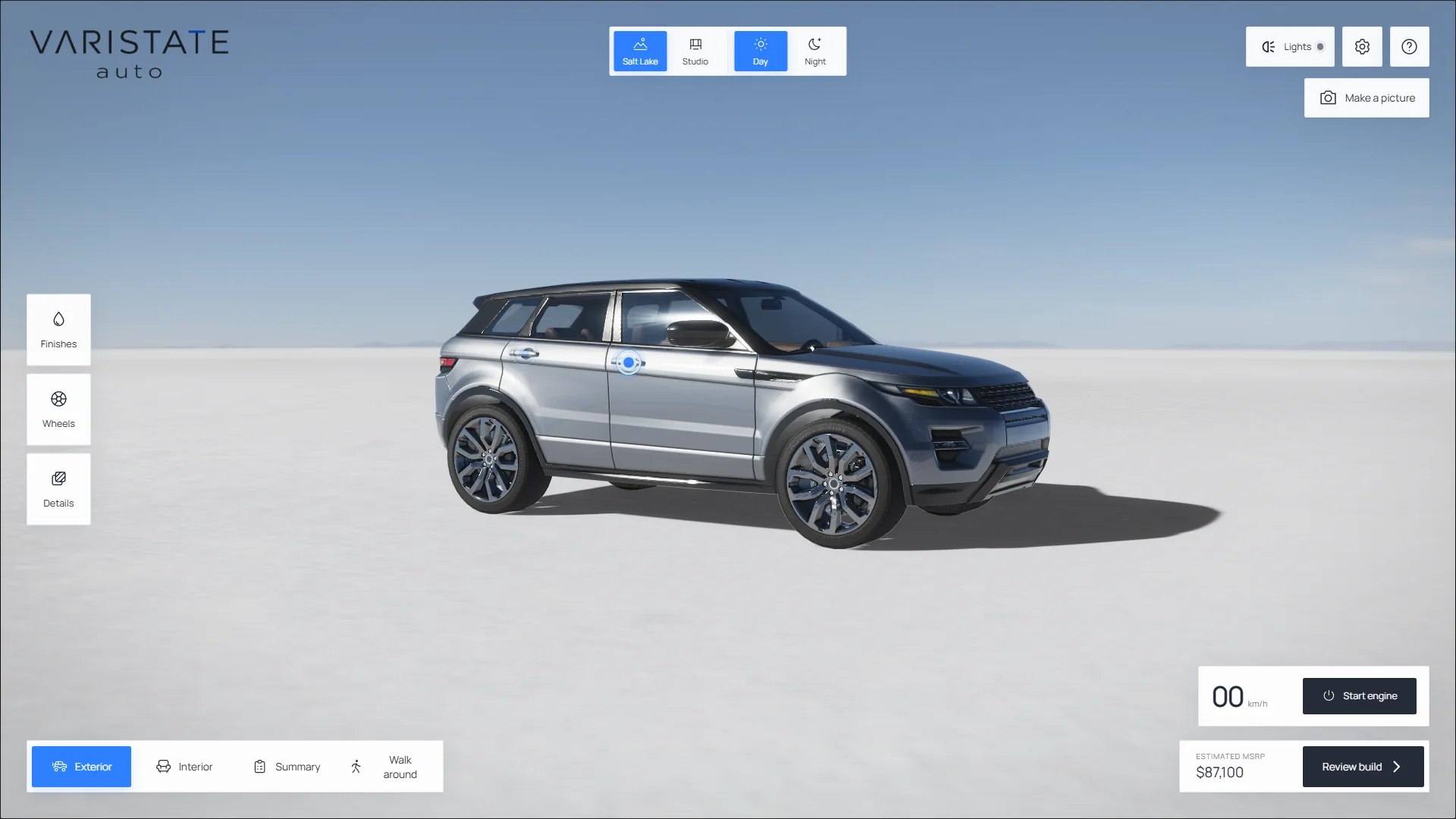
VariState Auto: Building an SUV Configurator That Goes Beyond the Turntable
A closer look at the updated VariState SUV configurator: authored finishes, cabin customization, day and night lighting, walking, driving and responsive controls.
-

Building VariState Aero: A Private Jet Configurator You Can Walk Through
How I connected a private jet showroom, walkable cabin and interactive flight in Three.js, with material choices, natural daylight and careful camera handoffs.
-
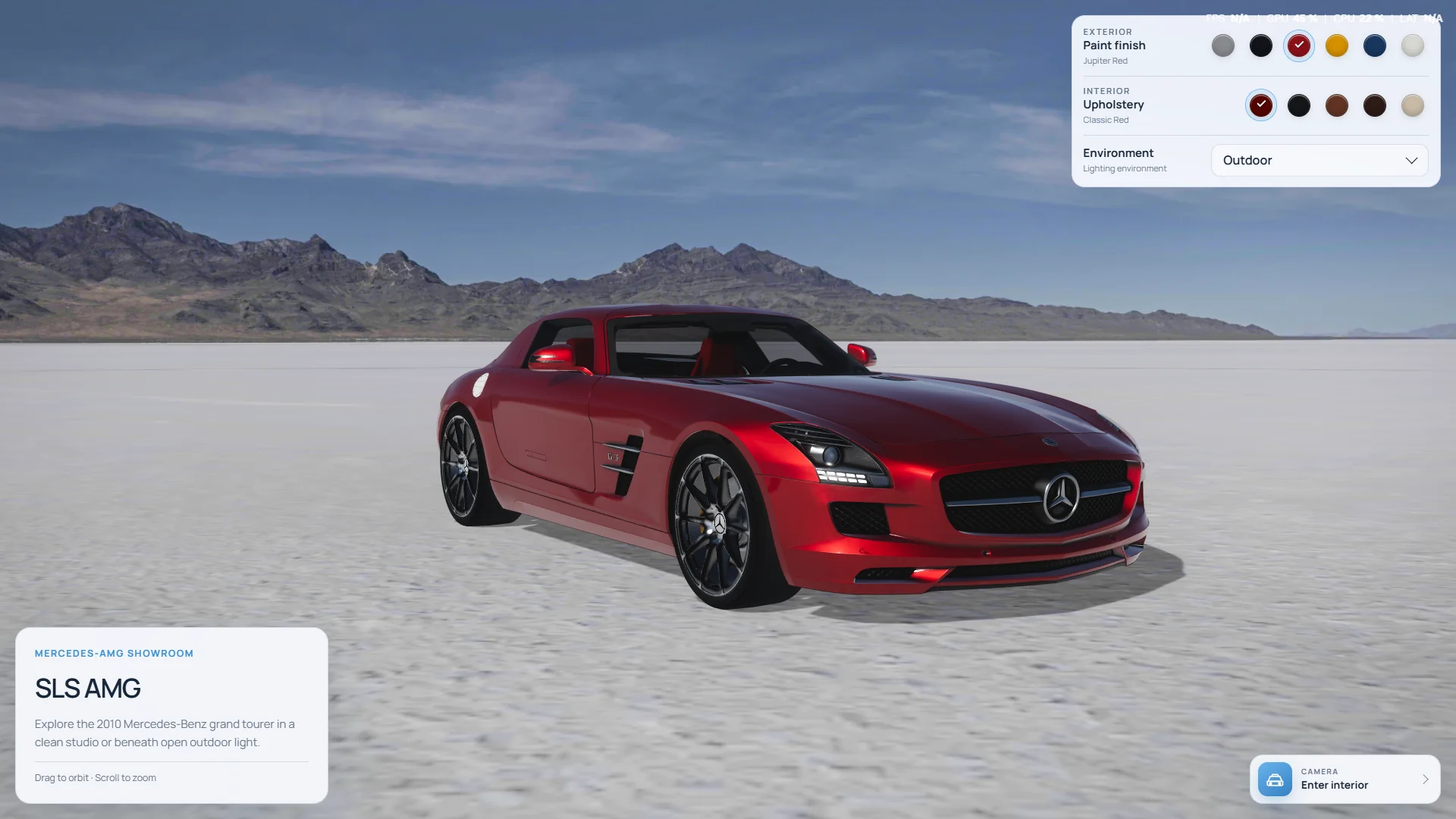
Building a Realistic Mercedes-AMG Configurator for the Web
A practical look at the lighting, materials, camera work, performance, and interface decisions behind a browser-based SLS AMG showroom.
-

React Three Fiber or Vanilla Three.js: How I Choose
I ship client work in both. What React Three Fiber actually is, where it genuinely wins, where vanilla Three.js stays the right call, and the decision rule I use at the start of every project.
-

Recreating Unity VFX Graph Effects in Three.js: A Four Part Particle Study
What happens when you take Unity VFX Graph effects, fire, plasma, particle suns, and rebuild them for the browser. The pipeline differences, the two papers that changed my flames, and what WebGL still cannot fake.
-

ShadowExport: Baking Shadows for Web Scenes Without Opening Blender
Real-time shadows cost frame budget, and baking them usually means a Blender roundtrip. So I built a browser tool that renders a model, lets you aim the light, and exports the shadow as a texture: PNG, WebP, AVIF, or KTX2, with placement data included.
-

Lighting 3D Products on the Web: Why Your Model Looks Cheap and How to Fix It
The same glb file can look like a phone screenshot or a studio photograph, and the difference is lighting. Environment maps, tone mapping, shadows, and a copy-paste starting recipe for three.js product scenes.
-
How to Add 3D Product Views to an Existing Website, Without Rebuilding It
You do not need a new site to show products in 3D. The three levels of adding 3D to an existing store, from a single HTML tag with built-in AR to a custom viewer, and how to pick the right one.
-
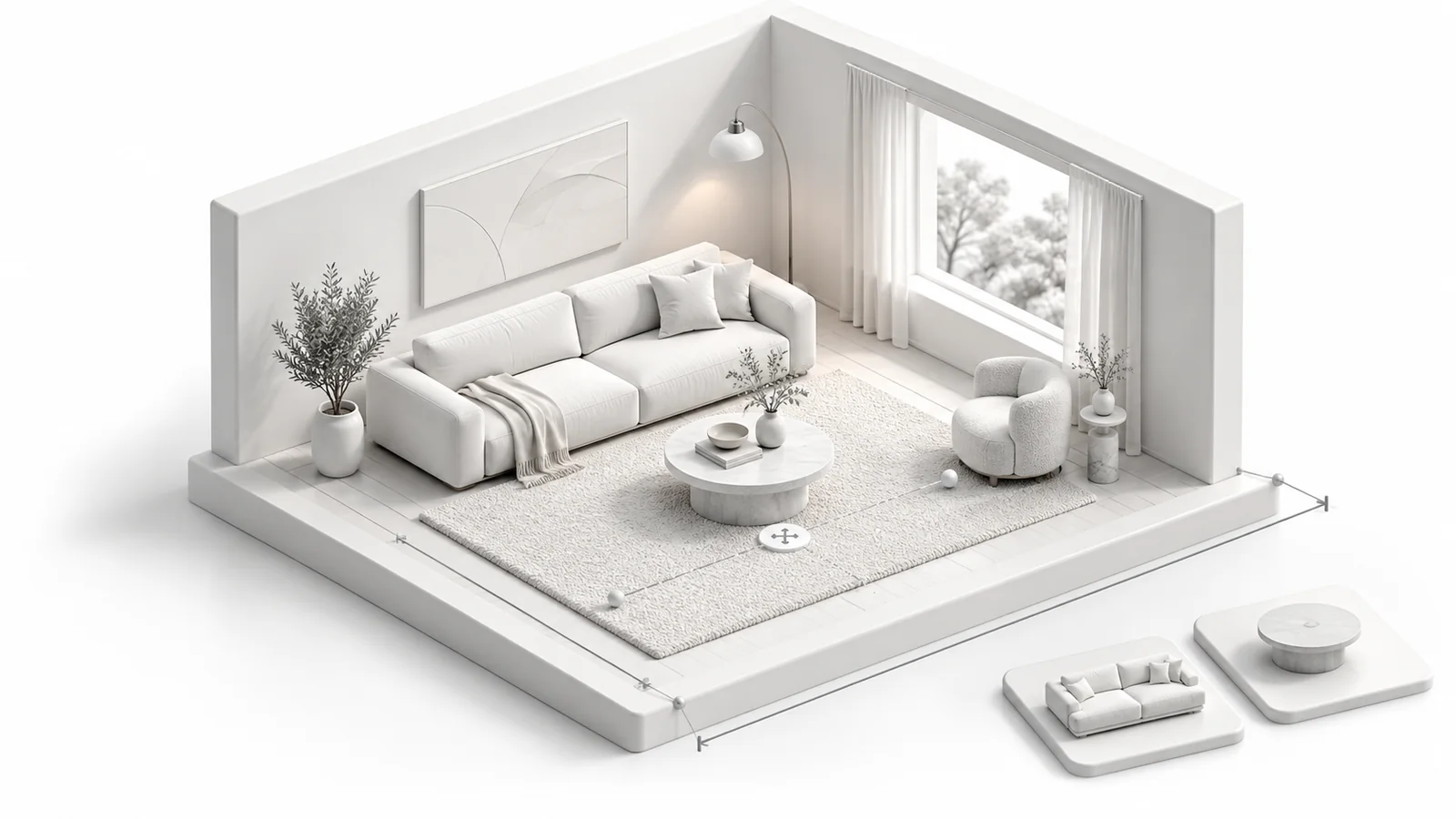
3D Room Planners for Furniture Stores: What They Do and Why They Sell
What a 3D room planner actually is, how one connects to a live product catalog, and what it changes for a furniture or rug business. Built from a real project: a browser-based planner wired directly into a rug retailer's shop.
-
Scroll-Driven 3D: Directing a Camera the Visitor Holds
Scroll is the only rich interaction every visitor already knows. How scroll-driven 3D storytelling works, the GSAP, Lenis, and Theatre.js toolkit behind it, and the craft rules that separate cinematic from carsick.
-
Why Your Three.js Site Is Slow on Phones (and the Five Fixes That Matter)
It is almost never the framework. The five real reasons WebGL sites struggle on mobile, how to diagnose each one, and the free tools that fix them: glTF Report, gltf-transform, Squoosh, KTX2, and a phone from a drawer.
-
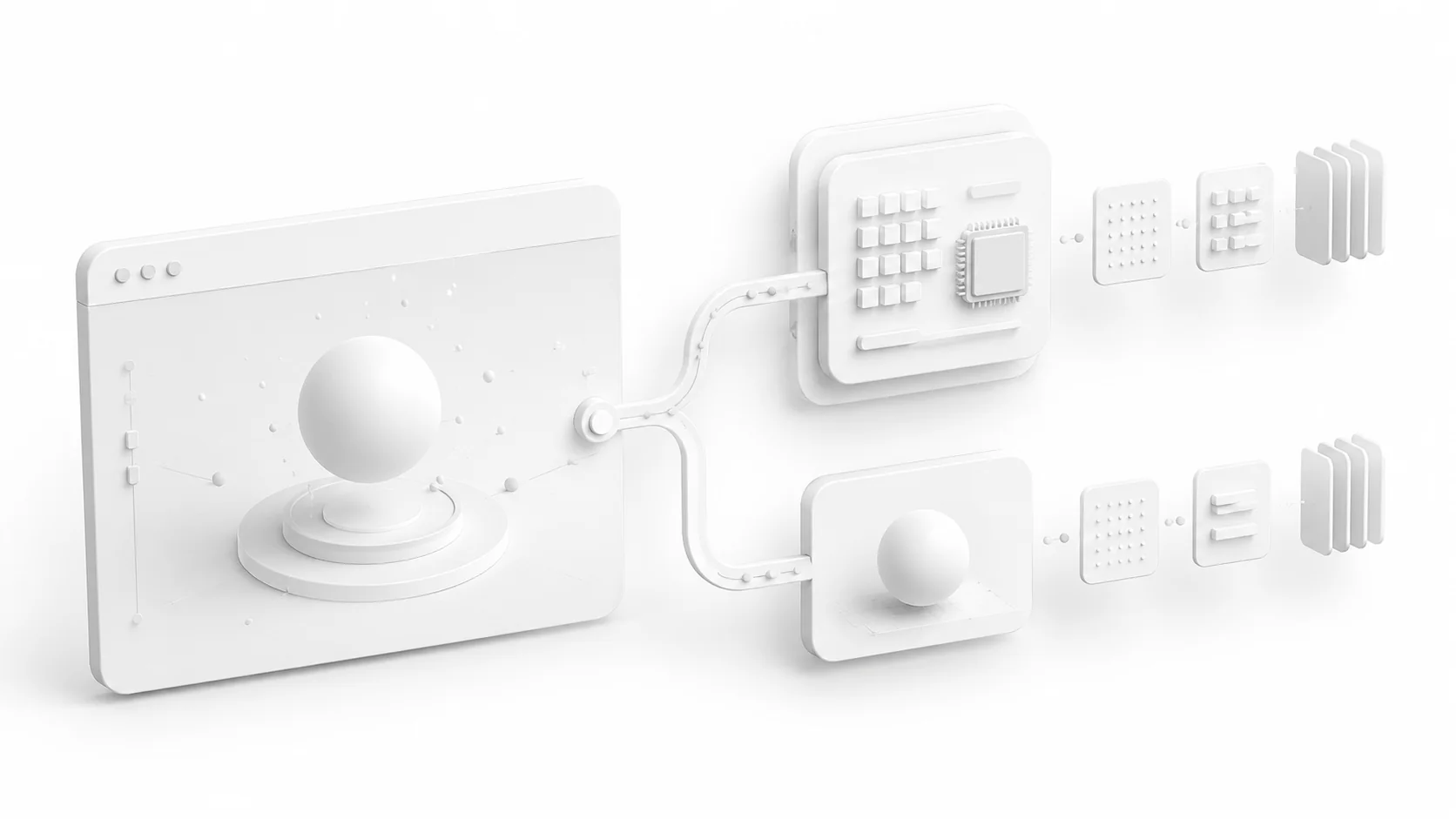
WebGPU vs WebGL in 2026: What I Ship and Why
WebGPU is finally in every major browser, and WebGL refuses to die. What the new API actually changes, what it does not, and the fallback pattern I use in production client work.
-

How Much Does a 3D Website Actually Cost?
Real numbers for 3D and WebGL web projects: what a 3D hero section, a product configurator, and a full immersive site cost, what moves the price, and where budgets quietly die.
-
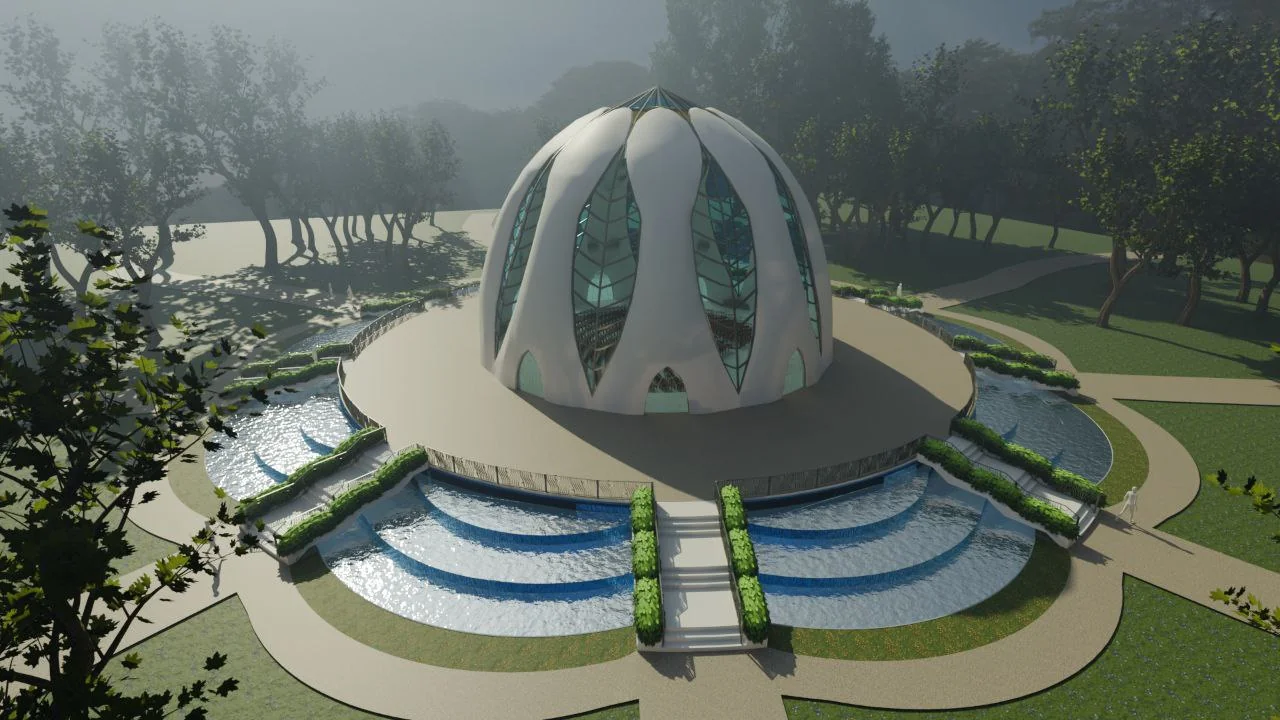
Bahai 3D: Modeling a Temple from Architectural Sketches
A 3D modeling collaboration for a temple design competition. Translating hand-drawn architectural sketches into a digital model, iteration by iteration.
-

From STL to glTF: Preparing 3D Product Models for the Web
A practical Blender workflow for turning STL and CAD-style product models into clean, lightweight GLB assets for Three.js and WebGL.
-
Planning a 3D Product Configurator: What I Learned from Tenjam
How a pool-lounger project changed my approach to configurator planning: customer questions, water-depth suitability, product rules, client review, and sensible scope.
-
Making a Three.js Portfolio Indexable: SEO for WebGL Sites
Canvas-first sites are invisible to most crawlers. A practical walkthrough of the build-time prerendering setup that makes a fully WebGL portfolio readable to Google, Bing, and AI crawlers, without giving up any of the creative side.
-

The Semiotics of Digital Space: How Light, Depth, and Motion Communicate Brand Emotion
Design is never just aesthetic, it is communication. On how lighting, spatial depth, and motion timing work as a language that shapes what a brand means before a single word is read.
-

The Economic Value of Immersive Web Experiences
Does immersion actually pay? What research across tourism, fashion, and retail says about 3D and interactive web experiences, engagement, conversion, and brand memory.